
Heating, ventilation, and air conditioning systems rely on sensors, control boards, switches, and other components to monitor operating conditions. When a system detects an abnormal reading or unexpected operating state, it may record a fault code to indicate the problem. These codes give technicians an initial indication of where to begin an investigation. For example, a code may indicate a temperature sensor issue, restricted airflow, a communication failure, or an ignition problem in a heating system. Rather than identifying the exact failed component in every case, the code narrows the range of possible explanations. This makes fault reporting an important part of modern HVAC diagnostics, particularly in systems with electronic controls.
Why Fault Codes Make Troubleshooting More Systematic
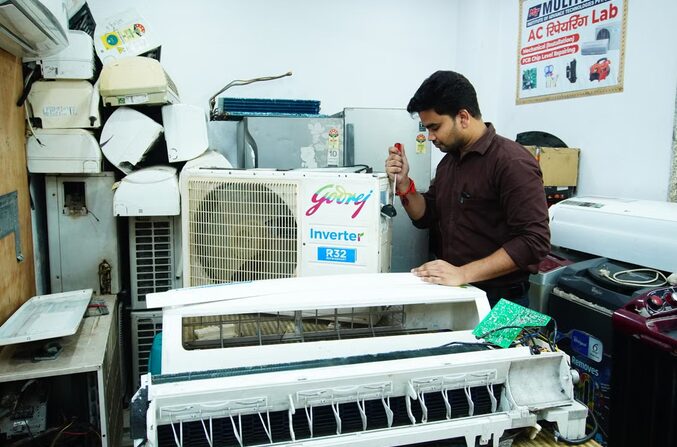
Without diagnostic information, technicians may spend considerable time observing system behavior and testing components to identify a malfunction. Fault codes provide a structured starting point by connecting detected abnormalities to documented diagnostic procedures. A technician can consult the manufacturer’s service information to understand what conditions trigger a particular code and which checks are recommended. This helps organize the investigation around measurable evidence instead of relying entirely on assumptions. It can also reduce unnecessary component replacement when the underlying issue involves wiring, configuration, or another related condition. However, a fault code’s value depends on accurate interpretation, since the same general symptom can have several possible causes.
How Sensors and Control Boards Generate Fault Information
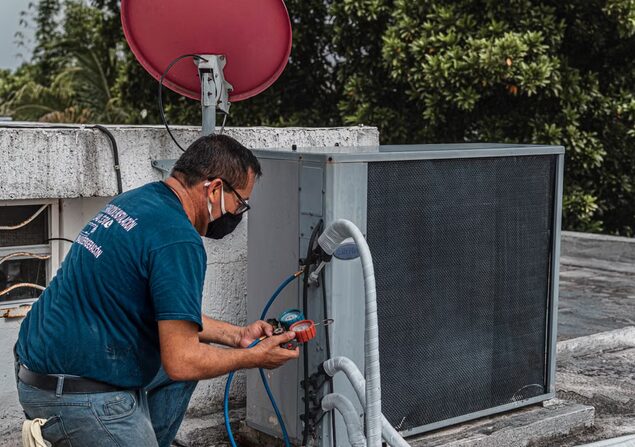
Electronic HVAC systems use sensors to measure conditions such as temperature, pressure, humidity, and airflow-related variables. Control boards compare incoming signals with expected operating ranges or sequences. If a reading falls outside an acceptable range, or a component fails to respond when required, the system may register a fault. Some systems store a code immediately, while others require the abnormal condition to persist for a specified period. The information available varies by equipment type and manufacturer. For example, a sensor-related code may indicate a faulty sensor, damaged wiring, a loose connection, or a genuine environmental condition that produces an unusual reading. The code identifies a detected problem, not necessarily its root cause.
Why Technicians Must Verify the Underlying Cause
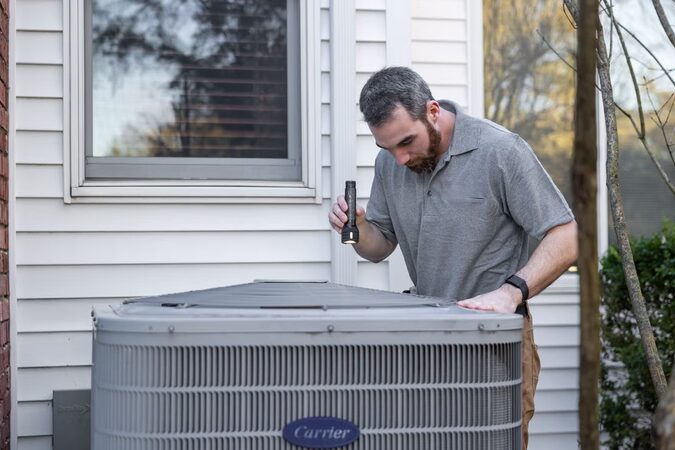
Fault codes can narrow an investigation, but replacing a component solely because its name appears in a code description can lead to incorrect repairs. A code associated with a pressure sensor might result from a defective sensor, but it could also reflect a genuine pressure problem caused by restricted airflow or another system fault. Similarly, a communication error may arise from damaged wiring, unstable power, or a malfunctioning control board. Technicians therefore compare diagnostic information with physical inspection, electrical measurements, operating pressures, and other relevant tests. This process helps establish whether the reported abnormality comes from the named component or from a condition affecting its operation. Verification is essential to prevent recurring faults and unnecessary expense.
Fault codes help technicians trace HVAC problems by translating detected abnormalities into structured diagnostic information. They can identify affected systems, guide testing procedures, and reveal recurring problems that might otherwise be difficult to reproduce. Nevertheless, a fault code rarely provides a complete diagnosis on its own. Sensors, wiring, operating conditions, and connected components can produce similar indications, so technicians must verify the issue before completing repairs. When combined with manufacturer documentation and systematic testing, fault codes help technicians identify the underlying cause more efficiently and understand how individual problems affect overall system performance.
…
More .... How Fault Codes Help Technicians Trace HVAC Problems