Top Tips for Choosing the Right Home Heating System for Your Living Space

Choosing a proper home heating setup can feel like a major decision, especially as homeowners want comfort, reliability, and long-term value. With so many options and technical factors to consider, having clear guidance can make the process smoother. Whether upgrading an older unit or selecting a fresh installation, it helps to understand what truly matters. For residents dealing with older or malfunctioning equipment, Furnace repair Tucson for heating fixes is a helpful first step before deciding whether it’s time for a full replacement. This article highlights the top tips for selecting the best heating system for your space without unnecessary confusion.

Understand the Size Your Home Requires

Selecting the correct system size is one of the most influential decisions you will make. A setup that is too small will struggle to heat your home efficiently, while one that is oversized may run in short cycles, leading to higher utility bills and added wear. Instead of guessing, consider having a professional perform a proper home heat assessment. This evaluation looks at square footage, insulation levels, window types, and internal temperature preferences. The goal is a system that works steadily rather than aggressively, giving your home consistent warmth and smooth operation.

Compare Different Energy Sources Carefully

heating cost

Heating systems come in a variety of energy options, and your choice affects performance, cost, upkeep, and long-term savings. Natural gas, electricity, and oil all have different characteristics. Natural gas systems often provide reliable heat with manageable operational expenses in many regions. Electric systems can be ideal for areas without gas lines. Oil-powered systems appeal to homeowners in more rural settings where other options may not be accessible. Considering benefits and drawbacks of each source helps you make a well-informed decision that suits both your daily needs and budget planning.

Prioritize Energy Efficiency Ratings

Efficiency ratings matter because they influence how much energy your system uses and how much you pay each month. Modern systems come with clear ratings that indicate how well the equipment converts energy into heat. Higher-rated units often cost more upfront but may significantly reduce future expenses. Improved efficiency also promotes better indoor comfort and steadier temperature control. While you don’t need to chase the highest rating available, selecting a system with strong performance indicators will support long-term savings and stable heating throughout the season.

Choose a System That Matches Your Lifestyle and Comfort Goals

There’s no one-size-fits-all solution for every household. Some families prefer a system that provides steady, gentle warmth throughout the home. Others may want a setup that allows room-by-room adjustments or programmable features that support energy savings. Think about your daily routine, how much time you spend at home, and what level of convenience is most important to you. Modern heating systems offer a variety of control features, from smart thermostats to multi-zone configurations. Selecting a system that aligns with your living habits results in better comfort and a more satisfying heating experience overall.

Consider Installation Quality and Ongoing Maintenance

No matter how advanced or high-rated a heating system may be, its performance largely depends on proper installation and consistent upkeep. A knowledgeable technician ensures all components are fitted correctly, airflow is balanced, and safety measures are in place. Poor installation can lead to uneven heating, unnecessary repairs, or even system failure long before its expected lifespan. After installation, periodic checkups help keep the system working at its best. Routine care reduces unexpected breakdowns and helps extend equipment longevity.

Choosing the ideal heating system involves understanding your home’s needs, reviewing energy sources, prioritizing efficiency, relying on skilled installation, and selecting features that match your lifestyle. By focusing on these five essential tips, homeowners can make a confident, well-informed decision that improves comfort and stability throughout the colder months while also supporting long-term savings.…


More .... Top Tips for Choosing the Right Home Heating System for Your Living Space

Selling a House That’s Seen Better Days: What You Need to Know

Let’s face it—owning a house that’s fallen into disrepair can feel like a burden. Whether it’s fire damage, years of wear and tear, or just an outdated interior, trying to sell a house in less-than-perfect condition isn’t easy. Most traditional buyers want move-in ready homes, which can leave you wondering what to do next. But don’t worry—selling a house that’s seen better days is still completely possible. The key is knowing your options and understanding the process.

Know Your Home’s Current Value

Before anything else, get a realistic idea of what your home is worth in its current condition. You might be tempted to compare it to other homes in the neighborhood, but remember that condition plays a big role in pricing. An appraisal or a consultation with an experienced investor can help you set expectations and avoid being misled by overly optimistic estimates.

Work With Buyers Who Know Fire-Damaged Homes

talking

Some buyers shy away from homes with serious issues, but others actively look for them. Trusted local fire damaged home buyers often have the tools, crews, and experience to restore even severely damaged houses. These buyers can see beyond the current condition and offer a fair price based on the home’s potential. Working with someone local is also a bonus—they’ll be familiar with local codes, contractors, and property values.

Understand Your Selling Options

You don’t have to stick with the traditional market route. While listing with a real estate agent can work for some, it usually involves repairs, cleaning, staging, and weeks—if not months—of uncertainty. If your goal is a quick, low-hassle sale, selling to an investor or cash buyer might be a better fit. These buyers specialize in as-is homes and can offer speed and simplicity in exchange for a slightly lower sale price.

Be Transparent About the Condition

When selling a home with visible or known damage, honesty really is the best policy. Disclose major issues upfront, whether it’s fire damage, mold, structural problems, or plumbing issues. Not only is it legally required in many cases, but it also helps you avoid future headaches if the buyer discovers something you didn’t mention. Most cash buyers expect problems, so being honest won’t scare them away—it may actually build trust.

Prepare for a Different Type of Offer

people

It’s important to remember that buyers who purchase homes as-is are investing. Their offer will reflect the cost of needed repairs, the time it takes to complete them, and the resale value after renovations. While these offers may be lower than what you’d get for a pristine home, they save you time, effort, and money on renovations. Plus, you’re not paying agent commissions or ongoing carrying costs while waiting for a sale.

Don’t Overinvest in Repairs Before Selling

It can be tempting to make some quick fixes in hopes of getting a better price. But when your home has major damage, small improvements usually won’t make a big difference—and could even hurt your bottom line. Focus instead on making the sale process simple and working with buyers who understand your situation. Most cash buyers prefer to handle the repairs themselves, which allows them to control costs and timelines.

Selling a house that’s seen better days doesn’t mean you’re out of luck. Whether your property has fire damage, outdated features, or serious repair needs, there are still trusted buyers out there who are ready to make a fair offer. By being realistic about your options, choosing the right buyer, and avoiding unnecessary repairs, you can sell quickly and move on without all the stress. The key is knowing your home’s value—and working with someone who sees it too.…


More .... Selling a House That’s Seen Better Days: What You Need to Know

How to Turn Your Garage Into a Music Studio That Actually Works

Many musicians dream of having a personal studio, but renting one isn’t always cheap or convenient. That’s why more people are turning their garages into creative spaces. One moment you’re parking your car, the next you’re setting up amps and drums while staring at posters of plasmatics album covers for inspiration. Turning a garage into a studio may sound tricky, but with the right approach, it can be both practical and rewarding. When you’ve realized that your old garage has a lot of potential, creative ideas will pop into your mind one by one, waiting to be executed.

Start With Soundproofing the Space

The first step is keeping noise in and unwanted sound out. Garages aren’t exactly built for silence, so adding insulation is crucial. Thick rugs, heavy curtains, and acoustic panels make a huge difference. If the budget allows, sealing gaps around the door and windows helps reduce echo and external noise. Even small adjustments like weatherstripping can transform the acoustics. The goal isn’t perfection—it’s control over how sound bounces in the room.

Plan Your Layout Before Moving Gear on

A music studio is more than just gear thrown into a corner. Think about how you’ll move inside the space. Where will the mixing desk sit? Where does the drummer fit? Visualizing the layout helps you avoid rearranging every week. Keep cables in mind too, since nothing kills the mood like tripping over cords.

Pay Attention to Acoustics

Soundproofing and acoustics are not the same thing. You can stop noise from leaving, but that doesn’t mean your instruments will sound right inside. Flat walls and concrete floors often cause unwanted reverb. Adding diffusers or angled surfaces helps break up those reflections. Even bookcases filled with random items can improve sound. The idea is to create a balanced space where your music feels alive rather than hollow.

Add Comfort for Longer Sessions

A garage can feel cold and bare. Turning it into a place where you want to spend hours requires comfort upgrades. Add proper lighting, some casual seating, and maybe a small fridge for drinks. Don’t underestimate how the environment affects creativity. A chair that doesn’t hurt your back or lighting that doesn’t give you a headache can keep the session going longer. Think of comfort as fuel for productivity.

Consider Professional Support When Needed

Some parts of the process are easy to DIY, while others may require expert hands. Running proper electrical lines, for example, is something best left to a professional. Overloading outlets with amps and mixers can become a safety hazard. If you’re serious about recording quality, hiring an acoustics consultant for a few hours can save you from trial and error. Spending wisely up front often prevents bigger headaches later.

Turning your garage into a music studio doesn’t demand perfection or massive budgets. With soundproofing, careful planning, and a focus on acoustics, you’ll create a space that inspires. Add a touch of comfort, lean on professionals when necessary, and soon you’ll have a garage that makes you want to play all night long.…


More .... How to Turn Your Garage Into a Music Studio That Actually Works

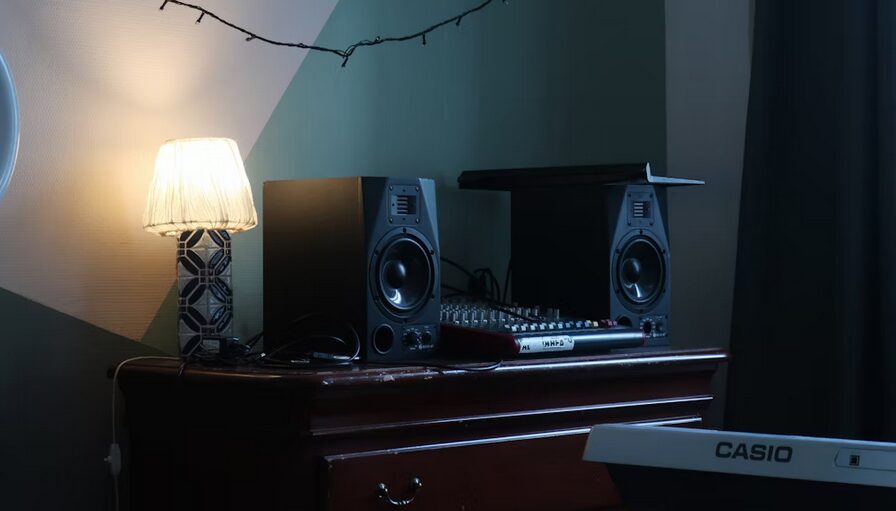
Designing Cozy Spaces With the Right Home Music Setup

A home feels complete when its atmosphere matches the personality of the people living in it. Music plays a big role in shaping that atmosphere. It influences mood, energy, and even the perception of comfort. A room can feel warm and inviting simply by adding darondo music that fits the moment. The right setup ensures that music is not just background noise but an essential part of home life.

Understanding Room Acoustics

Every space in a home carries sound differently. High ceilings, open layouts, and hard surfaces can cause echoes. Smaller rooms with soft furnishings absorb sound and create warmth. Designing a cozy music setup means paying attention to these details. Placing speakers thoughtfully can prevent distortion and make listening more enjoyable. Good acoustics ensure that every note feels natural instead of overwhelming.

Choosing the Right Equipment

A cozy space does not require the most expensive system. It requires the right one. Compact speakers can be more effective than oversized units in certain rooms. Wireless options make placement flexible while keeping the design clean. Built-in systems eliminate clutter and blend with interiors. What matters is matching the system to the size of the space and the lifestyle of the household. This balance ensures both quality and comfort.

Blending Music With Design

A cozy environment depends on harmony between technology and decor. Speakers should enhance the room without drawing unnecessary attention. Some homeowners prefer invisible installations, while others use stylish equipment as part of the design. The key is to avoid disrupting the flow of the space. Music setups that integrate seamlessly with furniture and lighting create a more cohesive and relaxing environment.

Creating Zones for Different Moods

Not every part of the home needs the same kind of sound. A kitchen may benefit from lively playlists, while a bedroom calls for something softer. Setting up zones allows each area to carry its own vibe. Multi-room systems give homeowners the ability to control music in specific spaces. This flexibility provides a unique way to adapt sound to daily activities. It ensures that every corner of the home feels purposeful and cozy.

Enhancing Daily Routines

cleaning home

Music shapes the rhythm of everyday living. Morning routines become smoother with uplifting sounds, while evenings feel calmer with gentle tones. Even chores like cooking or cleaning become more enjoyable when paired with the right playlist. A thoughtful music setup supports these routines without effort. Over time, these small moments add up to a home that feels alive and welcoming.

Balancing Technology and Comfort

Technology should serve the home, not dominate it. Too many visible wires or bulky devices can make a space feel crowded. Minimal setups offer the utmost comfort without sacrificing quality. Smart integrations allow homeowners to control music with ease, reducing the need for complicated systems. The result is a setup that works quietly in the background, adding to the coziness of the space instead of distracting from it.

Designing a cozy home goes beyond choosing furniture and colors. The right music setup transforms ordinary rooms into places of comfort and connection. It enhances mood, supports routines, and brings families together. By considering acoustics, equipment, and design, homeowners can create spaces that feel both stylish and welcoming. Music is not just an accessory. It is part of what makes a house feel like home.…


More .... Designing Cozy Spaces With the Right Home Music Setup

Navigating the Interior Design Landscape: What to Expect When Hiring in Perth

Are you ready to transform your living space into a stunning sanctuary that reflects your unique style? Whether you’re dreaming of a cozy coastal retreat or a sleek modern haven, hiring an interior designer can be the key to unlocking your home’s full potential. But with so many options available in Perth, how do you navigate through the myriads of choices and find the perfect fit for your vision? In this blog post, we’ll guide you through the ins and outs of hiring an interior designer in our vibrant city. From understanding design styles to setting budgets and timelines, get ready to embark on an exciting journey where creativity meets functionality—your dream space is just around the corner.

The First Chat: It’s All About You

The process usually starts with an initial consultation. This can happen at your place, at the designer’s studio, or even over Zoom. It’s a get-to-know-you session where the designer asks about your lifestyle, tastes, budget, and what you’re hoping to achieve. Expect lots of questions—how you use your space, what colours you love (or hate), and whether you’re more “Scandi minimalist” or “coastal chill.” Hot tip: Be honest. If you hate marble or can’t stand open shelving, say so now.

Design Plans, Sourcing & Scheduling

After the concept phase, the designer will move on to detailed plans—think floor layouts, custom joinery drawings, lighting plans, and sourcing of all the fun stuff like furniture and décor. They’ll take care of the technical stuff and vendor wrangling, saving you hours of scrolling and decision fatigue. The good thing about Perth interior designers is that they often work with local suppliers and craftspeople, which means you get access to high-quality materials and one-of-a-kind pieces that you probably wouldn’t find on your own.

Design Concepts Start Rolling In

Once the designer gets a feel for your style and needs, they’ll put together a concept or mood board. This is where things start getting exciting. You’ll see ideas for layouts, colour palettes, materials, and maybe even sample furnishings. It’s visual, collaborative, and helps make sure you’re on the same page before anything gets locked in. In Perth, designers tend to draw a lot of inspo from the local lifestyle—think indoor-outdoor flow, natural textures, and breezy vibes that work with the WA climate. So don’t be surprised if rattan, linen, and a bit of coastal charm sneak in.

Yes, There’s a Budget Talk—But It’s a Good Thing

One of the best things about hiring a designer? They help you stick to your budget (or tell you when your Pinterest board is way out of range). Expect transparency around costs—both for their services and for your furniture, fixtures, and finishes. A good designer won’t judge your budget; they’ll just help you make the most of it. Some designers in Perth work on flat fees, others on hourly rates or as a percentage of the total project cost. It’s worth asking about this upfront so there are no surprises later on.

The Install: Sit Back and Watch the Magic Happen

Once everything’s been approved and ordered, it’s go-time. This phase is all about coordination. Deliveries, trades, styling—it’s a full-on logistical dance. Depending on your project, your designer might manage everything, or they might collaborate with your builder or contractor. Some designers even do a final “reveal day,” where you walk into a completely styled space, just like on TV. No unpacking boxes or hanging curtains yourself—just step in and enjoy.

Ongoing Support (Yep, They’ve Got Your Back)

Many Perth interior designers offer post-project support, especially if you need help tweaking the space later on or adding a few finishing touches. It’s not a one-and-done deal; good designers care about long-term satisfaction, not just short-term aesthetics. Hiring an interior designer in Perth isn’t just for the rich and famous—it’s for anyone who wants a space that works for their lifestyle and looks great doing it. From the first chat to the final reveal, the process is more approachable (and fun) than you might think. Just come prepared with your vision, trust the process, and get ready to fall in love with your home all over again.…


More .... Navigating the Interior Design Landscape: What to Expect When Hiring in Perth